Old School Money Habits That Still Work Today
Do you ever look back and wonder how our grandparents managed to live so well on so little? There were no grocery delivery apps, no buy-now-pay-later, no impulse purchases arriving on their porch every afternoon. Many lived through the Great Depression, rationing during WWII, or raised large families on a single income in homes much smaller than what’s “normal” today. Yet they made it work, and not only survived, but often thrived. It’s no wonder so many people today are rediscovering the old school money habits that helped previous generations stretch every dollar.
Life certainly wasn’t easier back then, but it was so much simpler. Money felt more tangible. A dollar had weight. You could hold it, count it, tuck it away in an envelope, or watch it disappear when you handed it to a cashier. Spending was intentional because the money in their hands was all they had.
And you know what? A lot of that wisdom still works today, maybe even more now, with rising costs, digital temptations, and the pressure to keep up with everyone’s curated online lifestyle. These old school money habits proved themselves during some of the toughest times in history, and many families still rely on them today.
If you’ve ever longed for a simpler approach to financial life or wondered why things felt easier for past generations, this post is for you. Let’s walk through these timeless habits that helped our grandparents thrive, and how we can bring those same strategies into our homes today.
*This post may contain affiliate links, which means that if you buy a suggested product, I will earn a small commission, at no extra cost to you. For more information, see my disclosure page.
Cash Is King (Budgeting Without Credit Cards)
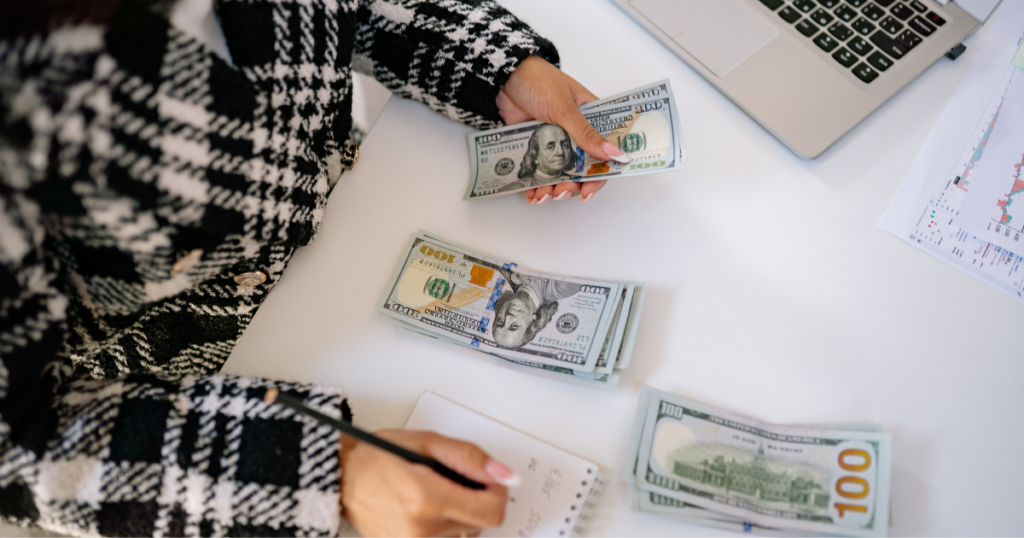
Before credit cards, people had one spending limit: the cash they carried. If they didn’t have it, the purchase didn’t happen. No buy-now-pay-later, no autopay surprises, no overdraft fees.
Using cash is one of the classic old school money habits that instantly creates awareness and control. It also kept people from going into debt. It worked then and it certainly still works, today! Personally, it’s much harder to spend cash than to swipe a card as cash makes me think twice before I spend it.
Modern Examples:
- Cash envelope budgeting (physical or digital versions)
- Grocery shopping with a set amount of cash…an automatic overspending stopper
- Kids’ allowance envelopes work great as a hands-on money lesson
Cash naturally slows down spending and helps bring back that “real money” connection our grandparents had every day.
Save Before You Spend
Saving wasn’t optional back then. It was the first thing you did. People paid themselves before anyone else, even if it was just a dollar at a time.
This is one of the simplest but most powerful old school money habits we can return to.
Modern Examples:
- Automatic savings transfers on payday
- Round-up saving apps that mimic old-fashioned change jars
- Digital sinking funds for predictable expenses
Our grandparents didn’t wait to see what was “left over.” They made saving part of the plan, and it still works today.
Use It Up, Wear It Out, Make It Do, or Do Without
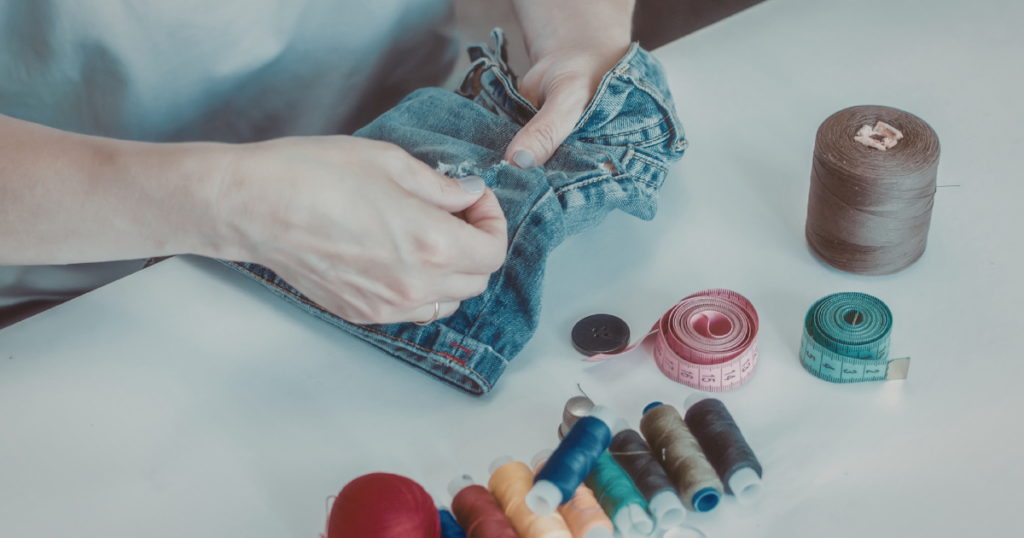
This classic motto kept families afloat during hard times. People repaired, reused, stretched, and repurposed everything they owned. Nothing went to waste.
Modern Examples:
- Mending clothes instead of replacing them.
- Repurposing jars, containers, and leftovers.
- Stretching household items with simple habits (like the 1-inch rule).
- Fixing small home items instead of immediately replacing them.
This mindset may be one of the most impactful old school money habits you can implement today.
Cooking from Scratch
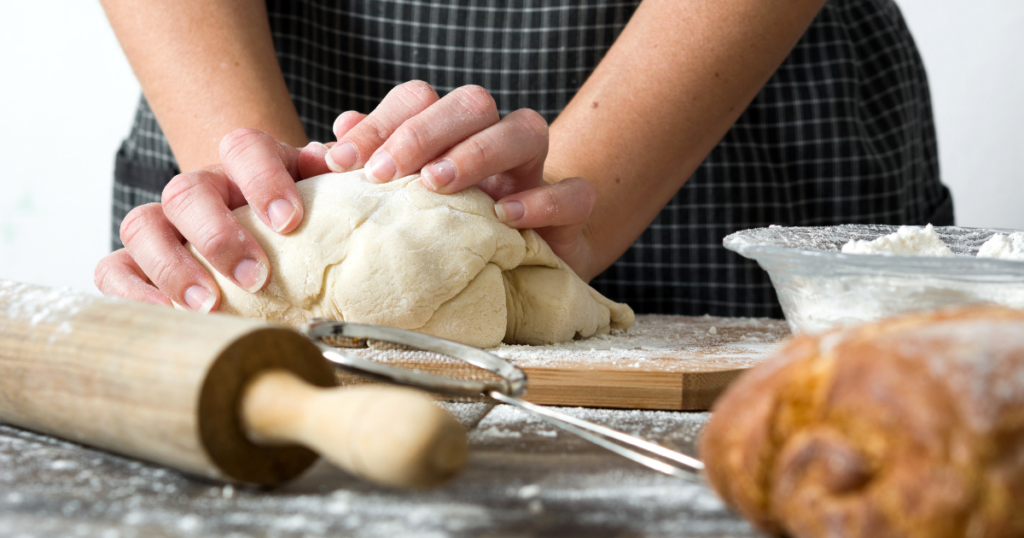
Restaurant meals used to be rare treats. When I was a child, we only went to restaurants for special occasions, like birthdays or anniversaries. Most families cooked from home out of necessity, creativity, and habit. Even back then, my mom would work all day and come home and cook dinner. Going out to eat wasn’t even an option. Getting back into this habit can save families hundreds every month.
Modern Examples:
- Meal planning around sales.
- Batch cooking and “cook once, eat twice” meals.
- Freezer muffins, breakfast burritos, and baked goods.
- Simple, hearty meals like soups, beans, casseroles, and homemade pizza.
Cooking at home remains one of the most effective ways to stretch a budget.
Avoiding Debt Whenever Possible
Debt used to carry a stigma, not because people felt ashamed, but because they valued ownership and peace of mind. If you couldn’t pay for it, you waited.
Modern Examples:
- Saving in advance for big purchases.
- Owning an older “paid-for” car.
- Avoiding lifestyle creep by keeping expenses steady as income rises.
Avoiding debt is one of those old school money habits that feels radical today but creates enormous freedom.
Living Within (or Below) Your Means
Our grandparents didn’t live to impress anyone. Smaller homes, simple wardrobes, fewer luxuries…not because they lacked taste, but because they valued stability.
Modern Examples:
- Choosing a home based on what’s comfortable, not maxing out what a lender approves. I grew up in a 3 bedroom 1 bath home that was about 1,200 square feet with 5 people living in it. It never seemed that small to me and we were very happy and content.
- Driving a car until it’s truly worn out. My dad use to say “Drive it ’til the wheels fall off!”.
- Reducing subscriptions and “little leaks”.
- Buying fewer but better-quality items.
Contentment is a powerful financial tool, and it never goes out of style.
You may be interested in reading: 15 Ways to Live a Life of Contentment
Hand-Me-Downs and Secondhand First
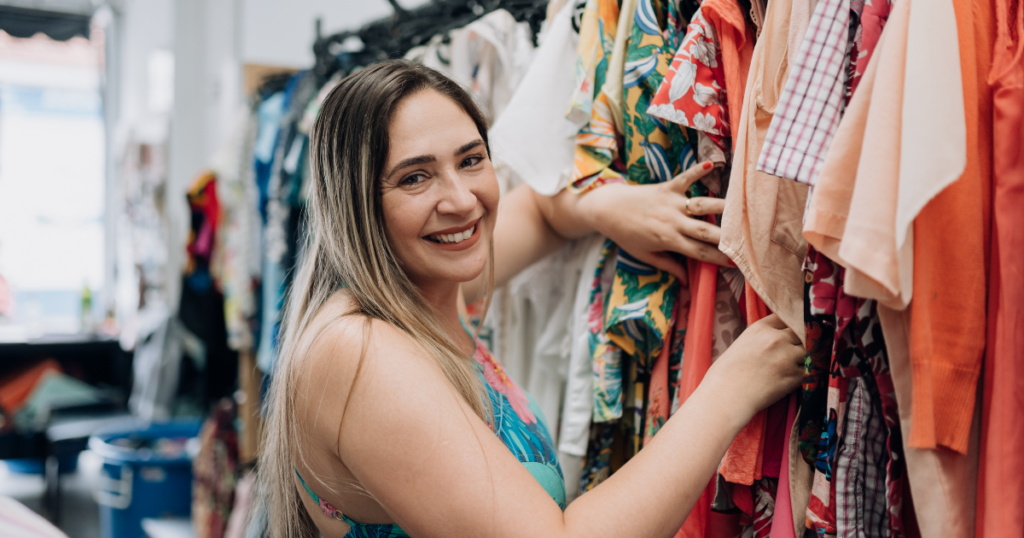
Many families raised multiple children with hand-me-downs. Clothes were passed down, patched, and proudly worn. Secondhand wasn’t “less than”…it was smart.
Modern Examples:
- Thrift stores and consignment shops
- Facebook Marketplace treasure hunting
- Buy Nothing groups for your neighborhood
- Hand-me-downs for kids or adults
- Refurbished electronics instead of new
Choosing secondhand first is one of the most budget-friendly old school money habits you can adopt. My motto is “Never pay retail if you don’t have to”. ALWAYS, check the thrift stores, first! Most of the time, you can find what you’re looking for.
Side Hustles Before They Were Called Side Hustles
Our grandparents were “side hustling” long before the term existed. They simply used their skills to make extra income.
Old school hustles:
- Sewing
- Babysitting
- Cooking, gardening, or selling produce
- Car or appliance repairs
- Taking in ironing
Modern Examples:
- Selling crafts (I’ve done this one for years!)
- Pet sitting or house sitting
- Reselling thrifted finds
- Freelancing or tutoring
- Seasonal work (holidays, events)
The method may look different today, but the spirit is the same: use what you have.
Community and Bartering
Neighbors helped neighbors because that’s just how life worked. Skills were traded, food was shared, and people relied on each other.
Modern Examples:
- Skill swaps (haircuts for housecleaning, tutoring for yard work, etc.)
- Tool-sharing groups
- Community gardens
- Clothing swaps
- Meal trains for families in need
Bartering is one of the oldest old school money habits, and it builds connection while saving money.
Emergency Funds…the Old-Fashioned Way
Whether it was a coffee tin in the pantry or a secret envelope in a dresser, families kept a small emergency stash to prepare for the unexpected. My mother used this method ever since I could remember. She always had cash stashed away for whatever came up.
Modern Examples:
- Starting with $100 and working toward $500 or more
- Keeping savings separate from your checking account
- Using emergency funds only for true emergencies
The tools may be modern, but the mindset hasn’t changed.
Final Thoughts…
The world may look completely different today, but the principles of good money management remain timeless. These old school money habits have weathered wars, recessions, shortages, and countless financial storms. They helped previous generations live with stability, simplicity, and confidence, and they can do the same for us.
You don’t need to adopt them all at once. Start with one or two that feel doable: maybe switch to cash for groceries, cook more at home, or create your first sinking fund. Over time, these small, old-fashioned shifts add up to something powerful. They’ll give you more peace, less stress, and a sense of control over your financial life.
Sometimes the smartest way forward is to slow down and embrace the wisdom that’s been here all along.
What are some old school money habits that you still use, today? Please share in the comments!
For more money-saving tips and strategies, be sure to subscribe to our newsletter at Love to Frugal! You can also follow me on Pinterest, Facebook & Instagram for even more money saving, frugal living tips!
Other Posts You May Also Be Interested In:
How To Survive A Layoff And Stay Financially Secure
Coping With Rising Costs: The Best Practical, Frugal Tips
How To Prepare For Another Great Depression-Grandma’s Frugal Tips

One Comment